What Makes a Pizza Restaurant Stand Out Online
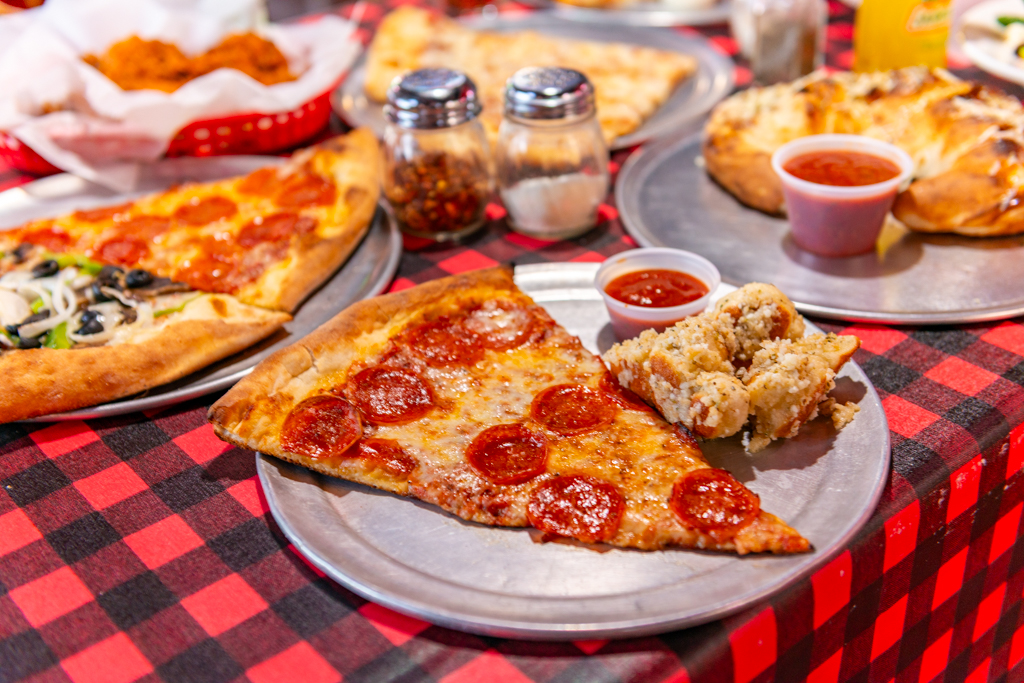


A great pizza restaurant can still lose attention online if its digital presence feels generic, outdated, or hard to trust. That gap matters more than many owners realize. People do not just search for pizza anymore. They compare photos, read reviews, scan menus, check delivery timing, judge atmosphere, and decide whether a place feels worth their money, all before they ever walk in or place an order.
That means standing out online is not about shouting the loudest. It is about removing doubt faster than the place down the street. The restaurants that win digital attention usually do a few ordinary things exceptionally well. Their listings are accurate. Their photos look real and appetizing. Their menu is easy to understand. Their reviews tell a believable story. Their website works on a phone without friction. None of that sounds glamorous, but in practice it is where most decisions get made.
I have seen this play out repeatedly with independent operators. One shop may have better dough, stronger sourcing, and more character than a nearby competitor, yet struggle online because its menu PDF takes too long to load and half its review responses sound defensive. Another shop with a more average product stays packed because every online touchpoint feels current, warm, and reliable. People reward clarity and consistency before they reward nuance.
The first impression happens before the first bite
For a pizza restaurant, the online first impression is often compressed into less than a minute. A potential customer sees your name in search results, glances at your star rating, checks the photos, and asks a few unspoken questions. Does this place look clean? Does the pizza look worth the price? Is this a date-night spot, a family dinner option, or a fast weeknight fix? Can I trust this place to get my order right?
When restaurants underperform online, it is rarely because customers cannot find them at all. More often, customers find them and hesitate. The address is inconsistent between platforms. The latest review mentions cold delivery. The menu photo looks ten years old. The crust in the gallery looks pale in one picture and burnt in another. The dining room appears empty on a Saturday night. Each detail may seem minor to the owner, but together they shape a snap judgment.
The best pizza brands online understand that people buy a feeling before they buy a pie. They want confidence. They want to imagine the experience clearly. A sharp online presence does not need to feel polished in a corporate way. In fact, many pizza restaurants benefit from a little texture and personality. What matters is that the personality feels intentional rather than accidental.
Strong digital visibility starts with local search basics
A pizza restaurant lives and dies by local intent. Someone searches “pizza near me,” “best thin crust,” “late night pizza,” or “wood fired pizza downtown,” and the shortlist forms immediately. If your map listing is incomplete or inaccurate, you are bleeding demand before your food even enters the conversation.
The essentials are simple, but they need discipline. Your name, address, hours, phone number, service options, and website should match across major platforms. Holiday hours should be updated before the holiday, not after the complaints start. Categories should be specific enough to help discovery. If you offer dine-in, takeout, delivery, gluten-free options, outdoor seating, or catering, those details should be visible where customers naturally look for them.
This is not busywork. It affects real revenue. A Friday evening customer deciding between three nearby places is not likely to investigate deeply if one listing says open until 10 and another site says 9. They will move on. The same goes for order links that break, directions that point to an old location, or a phone number that still routes to the previous owner.
One independent operator I worked with had strong neighborhood loyalty but weak digital pickup. The food was excellent. The issue was operational clarity. Their Google listing lacked current interior photos, the https://erickzxrl990.tearosediner.net/why-a-pizza-restaurant-is-a-smart-choice-for-takeout website buried the order button, and three review sites displayed different closing times. After those basics were corrected, online orders rose noticeably within a couple of months, without changing the menu or running a major ad campaign. The lift came from reducing uncertainty.
Photography does more heavy lifting than most owners expect
Pizza is a visual product. Few foods benefit more from strong photography. Yet many restaurants still rely on dim overhead shots, cluttered backgrounds, and images that flatten the texture of the crust and toppings. That is a missed opportunity.
Good pizza photography does not need to look overly styled. In fact, overproduction can backfire if the in-store product does not match. What performs best is usually honest, well-lit, close enough to show texture, and varied enough to answer different customer questions. People want to see the whole pie, the slice pull, the crust edge, the dining room, the counter, the staff, the packaging, and maybe the signature ingredients that justify the price.
For a pizza restaurant, the crust tells the story. Is it airy and blistered, crisp and thin, pan-baked and caramelized, or dense and hearty? Customers who care about pizza know how to read those cues. So do casual buyers, even if they do it less consciously. If every photo hides the crust or relies on filters, you lose a chance to communicate quality quickly.
There is also value in showing the people behind the food. A short gallery of the oven in action, dough being stretched, or a cook finishing a pie with basil does more than decorate a feed. It signals craft. It reassures customers that this is a real place with standards, not a faceless listing assembled from stock images.
Menus that convert are clear, not clever
Many restaurant menus online are written from the kitchen’s perspective rather than the customer’s. That creates friction. Internal shorthand, inconsistent pricing, and vague descriptions force people to work harder than they should. For a pizza restaurant, where customization and size options matter, confusion can kill conversion.
A strong digital menu answers practical questions fast. What sizes are available? How many people does each size feed, roughly? Is the house style thin crust, New York, Neapolitan, tavern, Detroit, Sicilian, or something else? Are substitutions allowed? Are there common allergens? Are specialty pies named in a memorable way but still described clearly enough for first-time customers?
The best menus online balance personality with precision. A pie can have a fun name, but the ingredients still need to be explicit. If your “Hot Honey Heat” pizza includes soppressata, Calabrian chili, mozzarella, and honey, say so plainly. Customers should never need to guess whether a pie is spicy, vegetarian, or built on white sauce instead of tomato.
Pricing also communicates confidence. If a price looks oddly low, some buyers assume lower quality. If it looks high without context, they may leave before understanding what they are paying for. A premium pizza restaurant can support premium prices online if the photography, ingredient language, and portion clarity all reinforce the value. Problems arise when the numbers say upscale but the presentation says casual shortcut.
Reviews matter most when they form a pattern
Restaurant owners often fixate on the star rating alone, but customers read for patterns. A 4.3 can outperform a 4.6 if the written reviews tell a stronger story. People are not just asking, “Do others like it?” They are asking, “Will I like it for the reason I care about?”
That means review quality matters. If comments repeatedly mention crisp crust, friendly staff, fast takeout, and reliable family meal deals, those details do real persuasion work. If the praise is vague and the criticism is specific, the criticism will feel more credible.
Responding well to reviews is one of the most underused tools in restaurant marketing. Good responses are brief, human, and proportional. Thank people for specifics. Acknowledge operational misses without sounding robotic or combative. If someone received the wrong order, the reply should show accountability and a desire to make it right. Public defensiveness is expensive. Even if the guest was difficult, future customers reading the exchange will judge your temperament.
There is also a timing element. A pizza restaurant that receives a steady stream of recent reviews feels active and trusted. One with glowing but old reviews can appear stagnant. Freshness matters online because people assume it reflects current operations. A place that was excellent eighteen months ago may have a new manager, reduced staff, or inconsistent dough fermentation today. Recent feedback gives reassurance.
The website should make ordering feel obvious
Some restaurants treat their website as a digital brochure. For a pizza restaurant, that is a mistake. The website should act more like a host who gets people where they need to go quickly. On mobile, especially, clarity wins.
The most effective restaurant websites share a few qualities. They load fast. The order button is easy to spot. The menu is readable without pinching and zooming. Key details such as hours, location, parking, and service area appear early. Contact information is tappable. Photos are strong but do not slow the page to a crawl. If third-party ordering is used, the handoff feels clean rather than chaotic.
This is where many restaurants quietly lose sales. I have seen sites where the homepage opens with a full-screen video, then forces users through three promotional banners before they can find the menu. It may have looked impressive in a meeting, but on a phone at 6:45 p.m., it costs orders. Hunger is impatient. Your site should respect that.
There is also a trust issue around delivery. Customers want to know whether the restaurant delivers directly, uses a marketplace, or routes all traffic through an app. Some guests prefer ordering from the restaurant because they believe accuracy will be better or prices will be fairer. Others prioritize convenience and tracking. The site should make those choices clear.
Social media works best when it reflects real service, not staged marketing
Many restaurant accounts fail for the same reason. They post as if they are trying to imitate a large lifestyle brand rather than document a real place people can visit tonight. A pizza restaurant does not need a forced personality. It needs recognizability, appetite appeal, and signs of life.
That can be as simple as consistent stories showing pies coming out of the oven, a special that will sell through by nine, a packed patio on a pleasant evening, or a staff member stretching dough for the dinner rush. These moments communicate momentum. They suggest that the restaurant is active, cared for, and worth joining.
There is room for humor, but it should fit the brand. Dry neighborhood wit can work. So can a more craft-focused voice if the restaurant leans artisanal. What tends to fail is borrowed internet slang, generic captions, or content that could belong to any food business in any city. The online identity of a pizza restaurant should feel tied to its actual room, actual staff, and actual customer habits.
Short-form video has changed expectations somewhat. People now like seeing texture, motion, and process. A cheese pull works because it shows the product behaving the way they hope it will. A shot of dough puffing in a hot oven communicates more than a paragraph of copy about technique. But novelty wears off quickly if every clip looks the same. Variety matters. Show the rush. Show the calm before service. Show a family sharing a large pie. Show the corner slice that regulars ask for first.
Distinctiveness comes from specificity
Restaurants often try to broaden appeal online by smoothing out what makes them different. They describe themselves with generic claims like “best ingredients” and “great atmosphere,” phrases that no serious customer trusts without evidence. Real differentiation is more specific.
Maybe your pizza restaurant cold ferments dough for two days and that produces a lighter, more digestible crust. Maybe you use cup-and-char pepperoni that crisps at the edges. Maybe your square pies hold heat unusually well for delivery, making them ideal for families ordering from ten minutes away. Maybe your lunch slices move fast because the shop is next to offices and the service is genuinely quick. Maybe you make a strong argument for tavern-cut pizza in a market dominated by floppy foldable slices.
Specificity gives people something to remember and repeat. It also helps the right customers self-select. Not every restaurant should try to appeal equally to everyone. A neighborhood spot known for fast, consistent takeout has a different digital job than a higher-end place built around natural wine and sourdough crust. Both can succeed online, but each needs to lean into what it actually does well.
This is particularly important when price enters the conversation. A pizza restaurant charging more than nearby chains or casual competitors needs a clear online narrative. Ingredient quality, fermentation method, portion size, hospitality, room design, and even packaging can all justify the premium, but customers need to see that story in fragments across the website, photos, reviews, and social channels.
Convenience can beat quality if quality is hard to access
This is one of the tougher truths in restaurant marketing. A better pizza does not always win online if ordering it feels inconvenient. Customers are often deciding under time pressure. They are tired, distracted, and managing a group decision. If your competitor makes it easier to order, easier to customize, and easier to trust delivery timing, many people will choose convenience over craftsmanship.
That does not mean independent restaurants should race to the bottom. It means they should remove avoidable friction. If the online ordering flow asks too many questions, if modifiers are inconsistent, if the cart behaves unpredictably, or if pickup instructions are unclear, customers drop off. You do not need the slickest technology in the city. You need a reliable path from craving to confirmation.
Packaging plays into this as well. Online reputation is shaped by what arrives, not just what left the oven. A pizza that steams into a soft box and reaches the customer limp will generate different reviews than the same pizza handled with more care. Restaurants that stand out online understand that delivery is part marketing, part operations. The product has to survive the trip.
Community presence still matters on the internet
The strongest restaurant brands online often feel rooted offline. They are part of the local rhythm. People tag them after school events, date nights, little league dinners, or post-game slices. That sort of visibility cannot be faked with ad copy.
A pizza restaurant can cultivate that presence digitally by highlighting real local connections. A fundraiser night, a collaboration with a nearby brewery, a seasonal pie using produce from a local farm, or support for a neighborhood event all create context. They make the restaurant feel woven into the area rather than merely located in it.
This kind of relevance also improves word of mouth. People do not just recommend “good pizza.” They recommend places that feel connected to a moment or a setting. “Go there after the game.” “Their back patio is great in summer.” “They are reliable for office lunches.” “That is the place we order when family is in town.” Online content that reflects these use cases tends to perform better than abstract brand messaging because it mirrors how people actually choose restaurants.
Ads can amplify, but they rarely fix the foundation
Paid promotion has a place. Search ads, map ads, retargeting, and social campaigns can all help a pizza restaurant capture attention at the right moment. But advertising does not solve weak fundamentals. If the reviews are mixed, the listing is inaccurate, and the website is clumsy, paid traffic only accelerates disappointment.
Where ads work best is after the core presence is strong. Then they can spotlight lunch specials, a new location, game-day bundles, or a limited seasonal pie. They can also help newer restaurants build awareness while organic reputation catches up. The key is alignment. The ad promise must match the landing experience and the actual product. If a campaign features beautiful, blistered artisan pies but sends customers to a generic ordering page with poor imagery and sparse descriptions, performance will sag.
There is also a practical budget point here. Independent operators do not need massive spend to see returns. In many local markets, disciplined creative and geographic targeting outperform bigger but sloppier campaigns. A few hundred dollars spent intelligently around peak order windows can do more than a broader campaign that lacks operational follow-through.
The restaurants that win online feel trustworthy at every click
Trust is the common thread through all of this. Customers trust what looks current. They trust consistency across platforms. They trust specific praise in reviews. They trust photos that look believable. They trust menus that explain themselves. They trust ordering systems that do not create surprises.
For a pizza restaurant, standing out online is rarely about one viral post or one dramatic redesign. It is usually the result of many small signals aligning. The listing is accurate. The food looks craveable. The tone sounds human. The website respects the customer’s time. The reviews confirm the strengths. The brand knows what it is and does not blur itself trying to copy everyone else.
That kind of presence takes maintenance, not just setup. Photos need updating. Hours need checking. Review responses need attention. Menus evolve. Service patterns change. The online version of the restaurant should evolve too. When it does, the reward is not just more visibility. It is better-fit customers arriving with clearer expectations, and that often leads to smoother service, stronger loyalty, and more repeat business.
People may discover your pizza restaurant online, but what makes you stand out is not the platform itself. It is whether every digital touchpoint makes the customer think the same simple thing: this place looks good, this place feels reliable, and this is where I want to order from tonight.
RUFFRANO'S HELL'S KITCHEN PIZZA Security
385 Main St, Colorado Springs, CO 80911
(719) 390-4355
FAQ About pizza restaurant
Is there a Hell's Kitchen pizza restaurant in Security-Widefield?
Yes. Ruffrano's Hell's Kitchen Pizza has a Security-Widefield location at 385 Main St.
Where can I find pizza delivery in Security-Widefield?
Ruffrano's Security location offers online ordering. Enter your address at checkout to check delivery availability and fees.
Where can I find gluten-free pizza in Security-Widefield?
Ruffrano's menu lists a 12-inch gluten-free option. Call the Security location to confirm availability and ask about shared equipment if cross-contact is a concern.